Our Vision
Urbana UMC exists to shine the light of the Messiah Jesus for all to see and embrace. Our MISSION is to ignite faith, unite hearts and serve with love. To accomplish this we GATHER to celebrate God's goodness, we GROW through bible study, prayer, and service, and then we GO to make a positive contribution to our community and invite people to join their lives to Christ.
If we are in Christ we are living in the first days of the New Creation.
We are a collection of diverse people from different religious and political backgrounds striving to find ALL of OUR IDENTITY in Christ. AT UUMC the culture wars are replaced with our commitment to live out the command to love our neighbors (even our enemies) as we love ourselves as an expression of loving God with all of our heart, soul, mind and strength.
To keep us committed and focused on the command to love we have been blessed with a great staff and leadership team. To get to know a little about both groups click on the links below.
Our Vision
Urbana UMC exists to shine the light of the Messiah Jesus for all to see and embrace. Our MISSION is to ignite faith, unite hearts and serve with love. To accomplish this we GATHER to celebrate God's goodness, we GROW through bible study, prayer, and service, and then we GO to make a positive contribution to our community and invite people to join their lives to Christ.
If we are in Christ we are living in the first days of the New Creation.
We are a collection of diverse people from different religious and political backgrounds striving to find ALL of OUR IDENTITY in Christ. AT UUMC the culture wars are replaced with our commitment to live out the command to love our neighbors (even our enemies) as we love ourselves as an expression of loving God with all of our heart, soul, mind and strength.
To keep us committed and focused on the command to love we have been blessed with a great staff and leadership team. To get to know a little about both groups click on the links below.
The Story of Faith
We at Urbana United Methodist Church believe the historic teachings of the church as formulated by church councils after the period of the Apostles and contained in the Apostles' Creed and the Nicene Creed.
In addition to orthodox statements of truth we believe there is a narrative we have been invited to live our lives in that is equally true and important to our faith. This story can be told in 5 acts. Tap on each frame below to see that story.
Act 1 > Creation - The Backstory to the Kingdom
God creates the heavens and earth as his perfect kingdom, with humanity as his image-bearers called to rule under his authority. Adam and Eve enjoy intimate fellowship with their Creator in Eden. However, rebellion enters through disobedience, fracturing the divine order. Sin corrupts creation, bringing death and separation. The tower of Babel represents humanity's continued defiance, leading to scattered nations and broken relationships with their rightful King.
Act 2 > Israel - The Beginning of the Kingdom
God calls Abraham, promising to bless all nations through his descendants. After delivering Israel from Egypt, he establishes them as his chosen people at Sinai. Under David, the kingdom reaches its zenith with Jerusalem as capital and God's promise of an eternal dynasty. However, Solomon's compromise and subsequent kings' idolatry lead to division. The kingdom is lost as both Israel and Judah fall to foreign powers, going into exile where prophets envision God's future kingdom breaking into history.
Act 3 > Jesus - The King of The Kingdom
Jesus arrives proclaiming "the kingdom of heaven is at hand," demonstrating God's rule through miracles, teachings, and perfect obedience to the Father. He fulfills Israel's messianic hopes while redefining expectations of God's kingdom. Through his death on the cross, he defeats sin and death, paying the penalty for human rebellion. His resurrection vindicates his claims and inaugurates the new covenant. After forty days, Jesus ascends to heaven, taking his rightful place as the enthroned King.
Act 4 > Ekklessia - Outposts of the Kingdom
The Holy Spirit empowers the church at Pentecost to spread the kingdom message to all nations. Through the apostles' preaching and the early church's witness, God's kingdom advances across ethnic and geographic boundaries. Paul's missionary journeys establish churches throughout the Roman Empire. The gospel transforms lives and communities as people submit to Jesus as Lord, demonstrating kingdom values of love, justice, and reconciliation while awaiting their King's return.
Act 5 > New Creation - The Perfected Kingdom
Revelation promises Jesus will return to establish his kingdom fully on earth. He will judge the living and the dead, defeating all enemies including death itself. The new heaven and new earth will be established, with the New Jerusalem as God's eternal dwelling place among his people. All creation will be restored, and God will reign forever through his Son. The kingdom that began in Eden will be perfectly fulfilled as all nations worship the King of kings.
The Story of Faith
We at Urbana United Methodist Church believe the historic teachings of the church as formulated by church councils after the period of the Apostles and contained in the Apostles' Creed and the Nicene Creed.
In addition to orthodox statements of truth we believe there is a narrative we have been invited to live our lives in that is equally true and important to our faith. This story can be told in 5 acts. Tap on each frame below to see that story.
Act 1 > Creation - The Backstory to the Kingdom
God creates the heavens and earth as his perfect kingdom, with humanity as his image-bearers called to rule under his authority. Adam and Eve enjoy intimate fellowship with their Creator in Eden. However, rebellion enters through disobedience, fracturing the divine order. Sin corrupts creation, bringing death and separation. The tower of Babel represents humanity's continued defiance, leading to scattered nations and broken relationships with their rightful King.
Act 2 > Israel - The Beginning of the Kingdom
God calls Abraham, promising to bless all nations through his descendants. After delivering Israel from Egypt, he establishes them as his chosen people at Sinai. Under David, the kingdom reaches its zenith with Jerusalem as capital and God's promise of an eternal dynasty. However, Solomon's compromise and subsequent kings' idolatry lead to division. The kingdom is lost as both Israel and Judah fall to foreign powers, going into exile where prophets envision God's future kingdom breaking into history.
Act 3 > Jesus - The King of The Kingdom
Jesus arrives proclaiming "the kingdom of heaven is at hand," demonstrating God's rule through miracles, teachings, and perfect obedience to the Father. He fulfills Israel's messianic hopes while redefining expectations of God's kingdom. Through his death on the cross, he defeats sin and death, paying the penalty for human rebellion. His resurrection vindicates his claims and inaugurates the new covenant. After forty days, Jesus ascends to heaven, taking his rightful place as the enthroned King.
Act 4 > Ekklessia - Outposts of the Kingdom
The Holy Spirit empowers the church at Pentecost to spread the kingdom message to all nations. Through the apostles' preaching and the early church's witness, God's kingdom advances across ethnic and geographic boundaries. Paul's missionary journeys establish churches throughout the Roman Empire. The gospel transforms lives and communities as people submit to Jesus as Lord, demonstrating kingdom values of love, justice, and reconciliation while awaiting their King's return.
Act 5 > New Creation - The Perfected Kingdom
Revelation promises Jesus will return to establish his kingdom fully on earth. He will judge the living and the dead, defeating all enemies including death itself. The new heaven and new earth will be established, with the New Jerusalem as God's eternal dwelling place among his people. All creation will be restored, and God will reign forever through his Son. The kingdom that began in Eden will be perfectly fulfilled as all nations worship the King of kings.
The Methodists
Our church was founded in 1811 and is the oldest continuously operating church in Champaign County. It began as a congregation of early Methodist settlers in the Urbana area. And we are still part of the Methodist movement. Below are some FAQ about the Methodist denomination.
1 What is Methodism?
Methodism is a Protestant Christian denomination that emerged in 18th-century England as a revival movement within the Church of England. It emphasizes personal holiness, social justice, and the importance of both faith and good works in salvation.
2 Who founded Methodism?
John Wesley, an Anglican clergyman, founded Methodism in the 1730s along with his brother Charles Wesley and George Whitefield. John Wesley began the movement while seeking to revitalize the Church of England through small group meetings and outdoor preaching.
3 What makes Methodism distinctive?
Key distinctive features include:
- Emphasis on both personal piety and social action
- Belief in prevenient grace (God's grace that precedes human decision)
- Strong tradition of missions and evangelism
- Commitment to education and founding schools and universities
- Historical leadership in social justice causes like abolition and civil rights
- Connectional system of church governance
4 What do Methodists believe?
Methodists believe in:
- The Trinity (Father, Son, and Holy Spirit)
- Salvation by grace through faith, but also emphasize the importance of good works
- The authority of Scripture, informed by tradition, reason, and personal experience (known as the "Wesleyan Quadrilateral")
- Personal holiness and social justice
- The possibility of Christian perfection or entire sanctification
- Infant baptism and adult confirmation
- Open communion (welcoming all Christians to participate)
5 What are the main Methodist denominations today?
The largest Methodist bodies include:
- United Methodist Church (UMC) - the largest Methodist denomination
- African Methodist Episcopal Church (AME)
- African Methodist Episcopal Zion Church (AME Zion)
- Christian Methodist Episcopal Church (CME)
- Free Methodist Church
- Wesleyan Church
- The Global Methodists
- Various smaller Methodist and Wesleyan denominations
6 Which Methodist denomination is Urbana part of?
We are part of the United Methodist Church, thus Urbana UMC.
7 How do Methodists worship?
Methodist worship typically includes:
- Traditional liturgy with hymns, prayers, and Scripture readings
- Preaching focused on both personal salvation and social responsibility
- Regular celebration of Holy Communion (Urbana UMC celebrates on the 1st Sunday of the Month)
- Congregational singing (Charles Wesley wrote over 6,000 hymns)
- Contemporary worship styles in many modern Methodist churches (Our 10:30 am service is contemporary)
Our Future
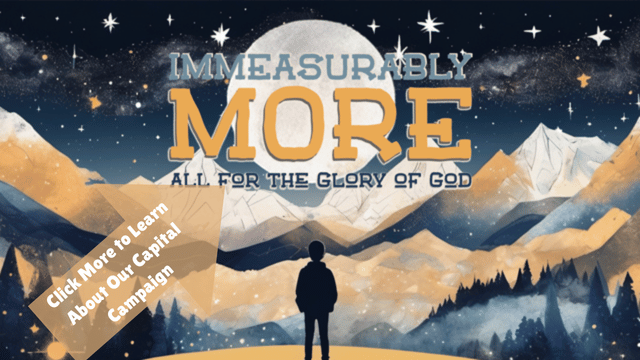
In 2024 we begin a 3-year capital campaign and facility renewal project so that our facility will continue to be a place will God's mission is being lived out. To learn about this campaign click on the image below.
The Methodists
Our church was founded in 1811 and is the oldest continuously operating church in Champaign County. It began as a congregation of early Methodist settlers in the Urbana area. And we are still part of the Methodist movement. Below are some FAQ about the Methodist denomination.
What is Methodism?
Methodism is a Protestant Christian denomination that emerged in 18th-century England as a revival movement within the Church of England. It emphasizes personal holiness, social justice, and the importance of both faith and good works in salvation.
Who founded Methodism?
John Wesley, an Anglican clergyman, founded Methodism in the 1730s along with his brother Charles Wesley and George Whitefield. John Wesley began the movement while seeking to revitalize the Church of England through small group meetings and outdoor preaching.
What makes Methodism distinctive?
Key distinctive features include:
- Emphasis on both personal piety and social action
- Belief in prevenient grace (God's grace that precedes human decision)
- Strong tradition of missions and evangelism
- Commitment to education and founding schools and universities
- Historical leadership in social justice causes like abolition and civil rights
- Connectional system of church governance
What do Methodists believe?
Methodists believe in:
- The Trinity (Father, Son, and Holy Spirit)
- Salvation by grace through faith, but also emphasize the importance of good works
- The authority of Scripture, informed by tradition, reason, and personal experience (known as the "Wesleyan Quadrilateral")
- Personal holiness and social justice
- The possibility of Christian perfection or entire sanctification
- Infant baptism and adult confirmation
- Open communion (welcoming all Christians to participate)
What are the main Methodist denominations today?
The largest Methodist bodies include:
- United Methodist Church (UMC) - the largest Methodist denomination
- African Methodist Episcopal Church (AME)
- African Methodist Episcopal Zion Church (AME Zion)
- Christian Methodist Episcopal Church (CME)
- Free Methodist Church
- Wesleyan Church
- The Global Methodists
- Various smaller Methodist and Wesleyan denominations
Which Methodist denomination is Urbana part of?
We are part of the United Methodist Church, thus Urbana UMC.
How do Methodists worship?
Methodist worship typically includes:
- Traditional liturgy with hymns, prayers, and Scripture readings
- Preaching focused on both personal salvation and social responsibility
- Regular celebration of Holy Communion (Urbana UMC celebrates on the 1st Sunday of the Month)
- Congregational singing (Charles Wesley wrote over 6,000 hymns)
- Contemporary worship styles in many modern Methodist churches (Our 10:30 am service is contemporary)
Our Future
In 2024 we begin a 3-year capital campaign and facility renewal project so that our facility will continue to be a place will God's mission is being lived out. To learn about this campaign click on the image below.